
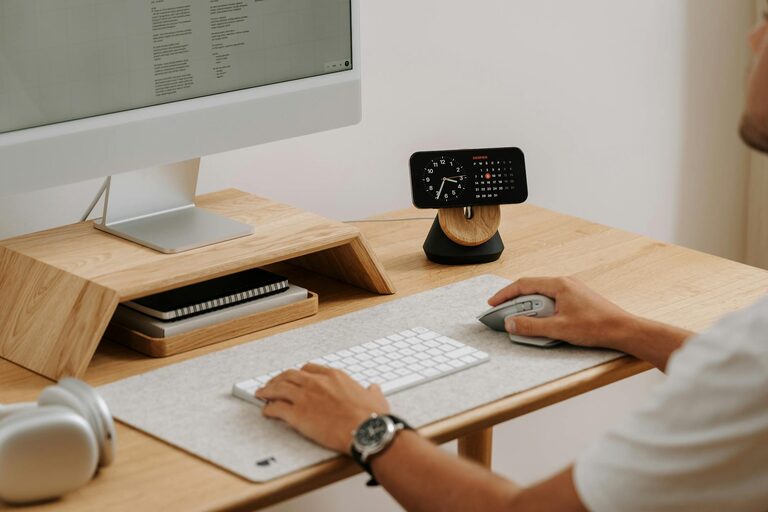
Creating a home office that feels cozy yet productive is essential for anyone working from home. A well-designed space can boost your motivation, reduce stress, and help you maintain a healthy work-life balance. Whether you have a dedicated room or just a small corner, this guide offers practical tips to transform your workspace into a comfortable and efficient environment.
1. Choose the Right Location
Selecting the best spot for your home office sets the foundation for your productivity and comfort.
– Natural Light: Aim for a space near a window to benefit from natural daylight. It improves mood and reduces eye strain.
– Minimal Distractions: Pick a quiet area away from high-traffic zones to keep your focus intact.
– Separate Workspace: If possible, avoid working from your bedroom or living room couch to create a clear boundary between work and relaxation.
2. Invest in Comfortable and Functional Furniture
Furniture plays a huge role in supporting good posture and professional habits.
– Ergonomic Chair: Choose a chair with adjustable height, lumbar support, and cushioning to stay comfortable during long hours.
– Desk Size and Height: A desk should give you enough surface area for your essentials and be at a height that prevents slouching.
– Storage Solutions: Incorporate shelves, filing cabinets, or drawers to keep clutter off your desk, ensuring a clean workspace.
3. Personalize Your Space for Comfort and Inspiration
Adding personal touches will make your home office more inviting and increase your motivation.
– Colors: Use calming or uplifting colors for walls or decorations, like soft blues, greens, or light neutrals.
– Plants: Indoor plants bring life to your workspace, purify air, and reduce stress.
– Artwork: Hang prints or photos that inspire you or make you happy.
– Lighting: Aside from natural light, include adjustable task lighting to prevent eye fatigue.
4. Organize Your Technology Efficiently
A smooth-running tech setup reduces frustration and interruptions.
– Wire Management: Use cable organizers or clips to keep cords tidy and out of the way.
– Reliable Equipment: Invest in a good quality computer, monitor, keyboard, and mouse tailored to your work needs.
– Backup Power: Consider a surge protector to safeguard your electronics.
– Speakers and Headphones: For calls or focused work, choose noise-canceling headphones or good speakers.
5. Create a Routine-Friendly Environment
Your workspace should help support healthy work habits and boundaries.
– Clock or Timer: Use these to manage breaks and maintain focus intervals.
– Whiteboard or Planner: Keep goals and schedules visible to stay organized.
– Refreshment Station: Have a water bottle or tea nearby to stay hydrated without frequent disruptions.
– Declutter Regularly: Set aside a few minutes daily or weekly to tidy your space.
6. Optimize for Comfort and Health
Spending hours working means comfort is key to avoid strain and fatigue.
– Temperature Control: Ensure your workspace is neither too hot nor cold.
– Footrest or Cushion: Use ergonomic accessories to keep your posture balanced.
– Movement Breaks: Plan regular stretches or short walks to stay active.
– Air Quality: Keep the room ventilated to maintain fresh air.
7. Incorporate Sound Management
Sound impacts concentration and productivity greatly.
– Noise Reduction: Use rugs, curtains, or acoustic panels to minimize echo and noise.
– Background Music: Some people find soft instrumental or nature sounds boost focus.
– Silence: If needed, utilize noise-canceling headphones or white noise machines to block distractions.
—
Final Thoughts
Your home office is a personal place where comfort meets functionality. By thoughtfully selecting the location, investing in quality furniture, and organizing your tools and routines, you can create a space that makes work enjoyable and efficient. Remember, this space should evolve as your needs change, so feel free to adjust and personalize it regularly to keep it fresh and inspiring. Happy working!