
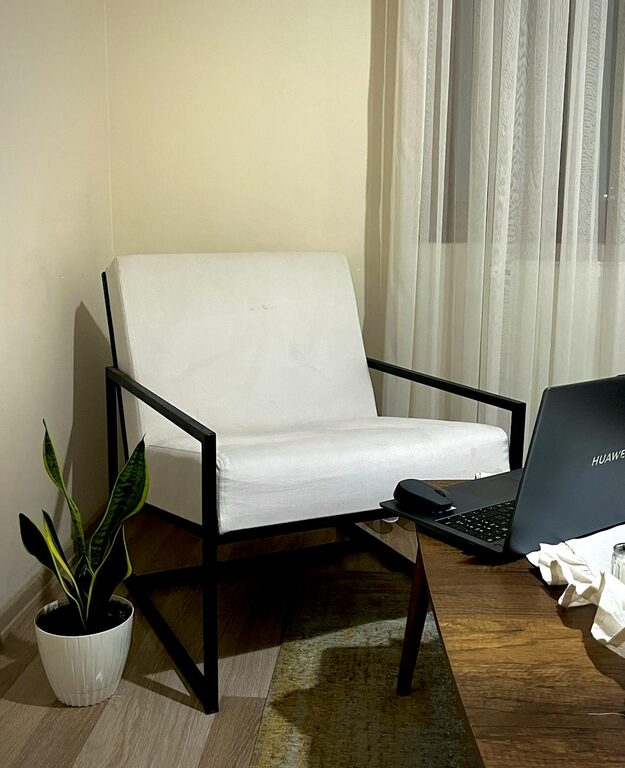
Creating a comfortable and inviting home workspace can greatly enhance your productivity and overall well-being. Whether you’re working remotely full-time or just need a dedicated space for occasional tasks, having a cozy environment helps you focus and feel motivated throughout the day. In this post, we’ll explore practical tips for designing a home workspace that feels warm, welcoming, and efficient.
Why a Cozy Workspace Matters
Your environment impacts how you work and how well you can concentrate. A cluttered or uninspiring area can be distracting and stressful, while a cozy and organized space encourages creativity and calm. By tailoring your workspace to your personal preferences and needs, you can turn any corner into an inviting spot that makes work feel less like a chore.
Choosing the Right Location
The first step in creating your home workspace is selecting the best spot. Here are a few factors to keep in mind:
– Natural Light: Aim to set up near a window to take advantage of natural daylight. Exposure to natural light helps boost mood and alertness.
– Quiet Area: Choose a space away from household traffic and noise. This can reduce interruptions and help maintain focus.
– Space Availability: Even a small nook or corner can become a functional workspace if organized smartly.
Furnishing for Comfort and Function
Comfort is key in a productive workspace. Make sure your furniture supports both your physical health and your workflow.
Ergonomic Chair and Desk
Invest in an ergonomic chair that supports your back and promotes good posture. Similarly, choose a desk at the right height so your arms can rest comfortably while typing or writing.
Personalize with Style
Adding personal touches like a favorite lamp, artwork, or plants can make the space more inviting. Choose colors that feel calming or energizing, depending on your preferences.
Organizing to Minimize Clutter
A cluttered desk can make it hard to focus. Keep your workspace tidy by:
– Using Storage Solutions: Utilize drawers, shelves, and organizers to keep supplies neatly stored but easily accessible.
– Cable Management: Tidy up cords with clips or cable sleeves to prevent tangles and distractions.
– Minimal Desk Items: Keep only the essentials on your desk to maintain a clean, clear space.
Lighting for All-Day Productivity
Proper lighting reduces eye strain and promotes alertness.
– Layered Lighting: Combine natural light, overhead lights, and a desk lamp to ensure your workspace is well-lit throughout the day.
– Adjustable Lamps: Choose desk lamps that you can adjust for brightness and direction to suit different tasks.
Incorporating Plants and Natural Elements
Adding greenery can make your workspace feel more alive and relaxed. Plants improve air quality and have been shown to reduce stress.
– Opt for low-maintenance plants like succulents, snake plants, or pothos.
– Arrange plants on shelves, desk corners, or windowsills to brighten the area.
Setting Boundaries and Routines
Having a dedicated space helps separate work from home life. Establishing routines can improve focus and work-life balance.
– Set consistent work hours and breaks.
– Avoid using your workspace for unrelated activities like watching TV or eating.
Adding Comfort Touches
Small comfort items make big differences:
– Soft Textiles: A cozy rug, cushions, or a blanket can add warmth to your workspace.
– Aroma: Use subtle scents like lavender or citrus through candles or essential oils to create a pleasant atmosphere.
– Sound: Consider background music, white noise, or noise-canceling headphones if it helps your concentration.
Regularly Refresh Your Space
Keep your workspace inspiring by switching things up occasionally. Rearrange furniture, add new decor, or swap out plants to keep the area fresh and motivating.
—
By thoughtfully designing your home workspace with comfort, organization, and personal style in mind, you create an environment where you can concentrate better and enjoy your workday. Start small, make it your own, and watch how a cozy space transforms your productivity and mood.